












China Shifts Gears - Automakers, Oil, Pollution, and Development
China Shifts Gears - Automakers, Oil, Pollution, and Development
By:
-
Rs 200.00
- Rs 400.00
- Ex Tax :Rs 200.00
- Price in loyalty points :200
You saved Rs 200.00.
Due to constant currency fluctuation, prices are subject to change with or without notice.
We are offering a high discount due to slightly damage
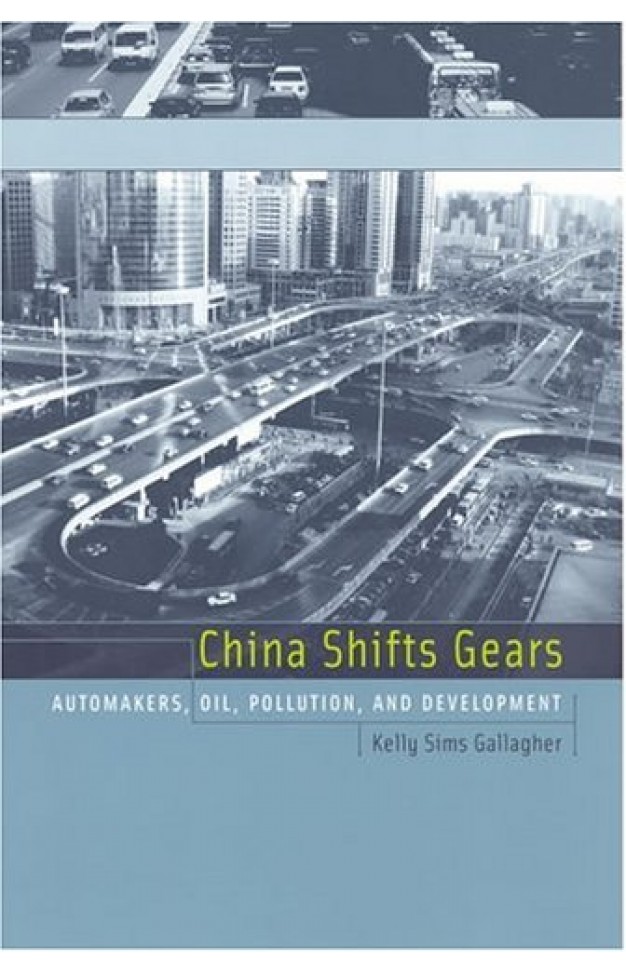
Chinese production of automobiles rose from 42,000 cars per year in 1990 to 2.3 million in 2004; the number of passenger vehicles on the road doubled every two and a half years through the 1990s and continues to grow. In China Shifts Gears, Kelly Sims Gallagher identifies an unprecedented opportunity for China to shift gears and avoid the usual problems associated with the automobile industry--including urban air pollution caused by tailpipe emissions, greenhouse gas emissions, and high dependence on oil imports--while spurring economic development. This transformation will only take place if the Chinese government plays a leadership role in building domestic technological capacity and pushing foreign automakers to transfer cleaner and more energy-efficient technologies to China. If every new car sold in China had the cleanest and most energy-efficient of the automotive technologies already available, urban air pollution could be minimized, emissions of climate-altering greenhouse gases would be lower than projected, and the Chinese auto industry would continue to flourish and contribute to China's steady economic development. But so far, Gallagher finds, the opportunity to shift gears has been missed.
Gallagher looks in detail at three U.S.-Chinese joint ventures: Beijing Jeep, Shanghai GM, and Chang'An Ford. These case studies are based on original research, including interviews with 90 government officials, industry representatives, and experts in both countries. Drawing from the case studies, Gallagher explores the larger issues of the environmental and economic effects of technology transfer in the automobile industry and the policy implications of leapfrogging to more advanced technology.
Chinese production of automobiles rose from 42,000 cars per year in 1990 to 2.3 million in 2004; the number of passenger vehicles on the road doubled every two and a half years through the 1990s and continues to grow. In China Shifts Gears, Kelly Sims Gallagher identifies an unprecedented opportunity for China to shift gears and avoid the usual problems associated with the automobile industry--including urban air pollution caused by tailpipe emissions, greenhouse gas emissions, and high dependence on oil imports--while spurring economic development. This transformation will only take place if the Chinese government plays a leadership role in building domestic technological capacity and pushing foreign automakers to transfer cleaner and more energy-efficient technologies to China. If every new car sold in China had the cleanest and most energy-efficient of the automotive technologies already available, urban air pollution could be minimized, emissions of climate-altering greenhouse gases would be lower than projected, and the Chinese auto industry would continue to flourish and contribute to China's steady economic development. But so far, Gallagher finds, the opportunity to shift gears has been missed.
Gallagher looks in detail at three U.S.-Chinese joint ventures: Beijing Jeep, Shanghai GM, and Chang'An Ford. These case studies are based on original research, including interviews with 90 government officials, industry representatives, and experts in both countries. Drawing from the case studies, Gallagher explores the larger issues of the environmental and economic effects of technology transfer in the automobile industry and the policy implications of leapfrogging to more advanced technology.