












Majoritarianism in India: Roots and Consequences
Majoritarianism in India: Roots and Consequences
By:
-
Rs 10,795.00
- Ex Tax :Rs 10,795.00
- Price in loyalty points :10795
Due to constant currency fluctuation, prices are subject to change with or without notice.
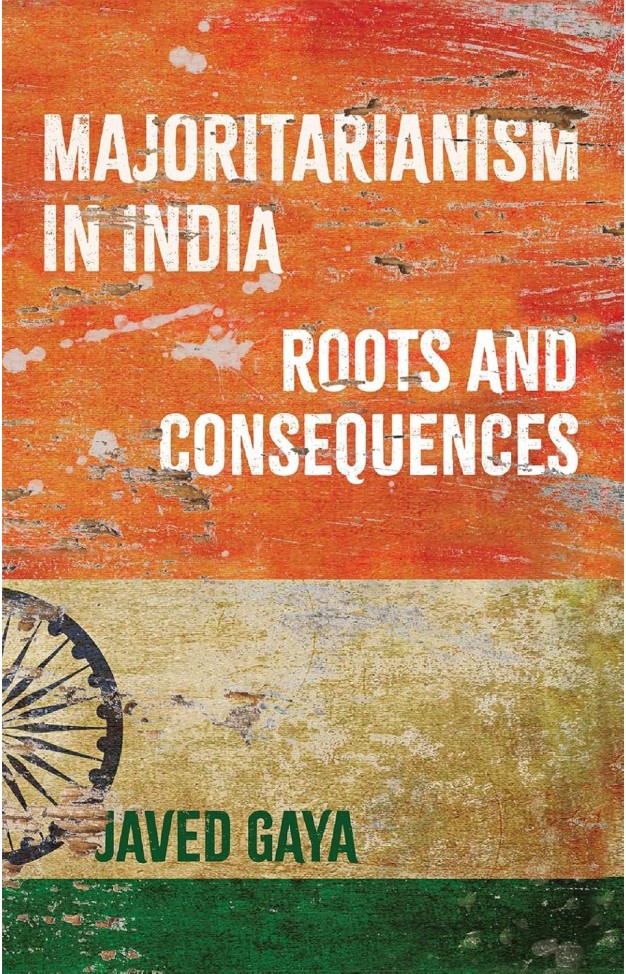
From the colonial period to today, Javed Gaya analyses how political and legal decisions have shifted the debate on community and citizenship in India.
Majoritarianism in India examines the strident nationalism seizing India today, tracing its roots back to decisions made in the 1940s, particularly Partition and the drafting of the Constitution. Pre-Partition India had debated whether 'liberty'--understood as 'one man, one vote'―or 'equality'―the equal political representation of minorities within a federal structure--should be the basis of a state. Congress chose 'liberty', but contemporary India is reaching the point where it has neither: its democracy is compromised and majoritarianism prevails. By dividing the subcontinent and elevating the 'cow belt', Partition seriously impeded social and economic progress in the newly created states, and brought communalism and casteism to the fore.
Javed Gaya investigates the origins and consequences of India's increasingly majoritarian system, assessing the frailty of constitutional safeguards, the role of the judiciary and the subversion of federalism. He analyses the futility of today's quest for cultural purity, and shows how history is being rewritten with an exclusionary intent. He both interrogates the myths created to sustain this nativist ideology―including around the causes of Partition and the alleged privileging of minorities―and discusses the role of citizenship and the externalisation of the Hindu-Muslim conflict.